
reviews
.
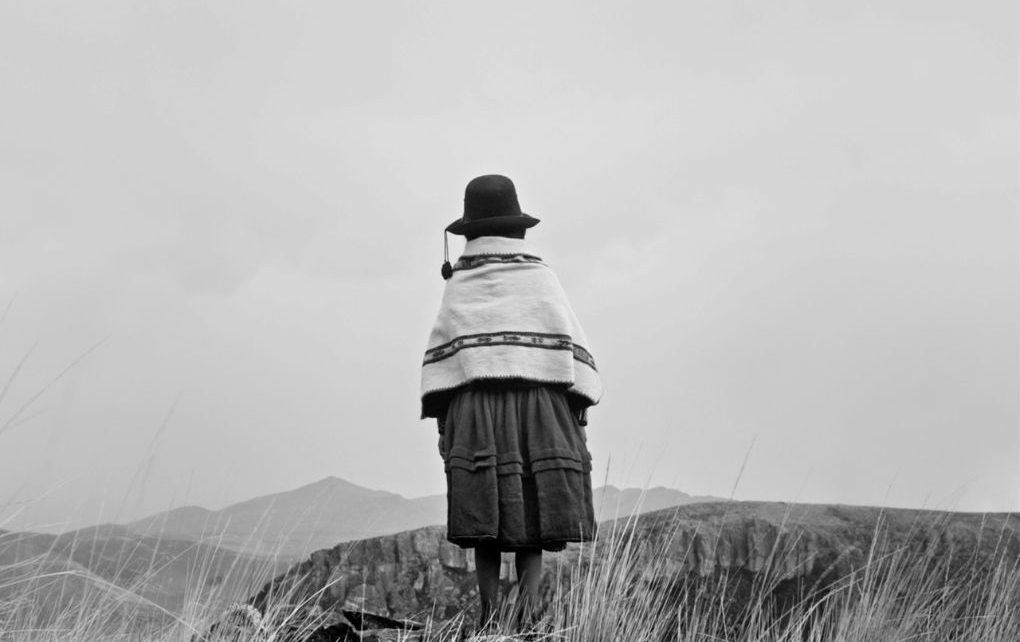
Yana-Wara
Filmed in the Peruvian Andes with non-professional actors, in the Aymara language, the film Yana-Wara (Óscar and Tito Catacora, 2023) has been compared to a Greek tragedy and the cinema of Ingmar Bergman.
Emilia Perez
Why, if I am not surprised, am I outraged that a film like Emilia Perez, which is undeniably well-crafted, competes for the Palme d’Or at Cannes, sweeps the César Awards, and shatters Oscar nomination records?


The Fishbowl
From the first shot of The Fishbowl, where the protagonist dreams of the sea of Vieques while bleeding in the bathtub of her apartment in San Juan, to the last, where this experience materializes, the search for these subtle Caribbean moments acquires an existential and political significance.
Pinochet vs. Oppenheimer
Haunted by the presence of the late Augusto Pinochet, Chilean director Pablo Larraín released El Conde in the same year as Oppenheimer, 2023. This Latin American dictator could have been depicted with the mystique that tradition dictates, but the portrayal of the Count has more to do with Charles Chaplin’s clownish Hitler.


Carajita
The film is particularly striking as one observes marginalized characters struggling alone to investigate a crime against one of their own, while being acutely aware that they lack the material and symbolic resources necessary to pursue justice.
Totem
While Totem offers a distinctive cinematic journey through some of the latest recurring themes in Latin American cinema, the most captivating and intellectually provocative is perhaps its depiction of time. In the visual domain, there are highly curated long sequence shots. Narratively, there is the extended wait of the protagonist, Sol, to reunite with her father, Tonatiuh.

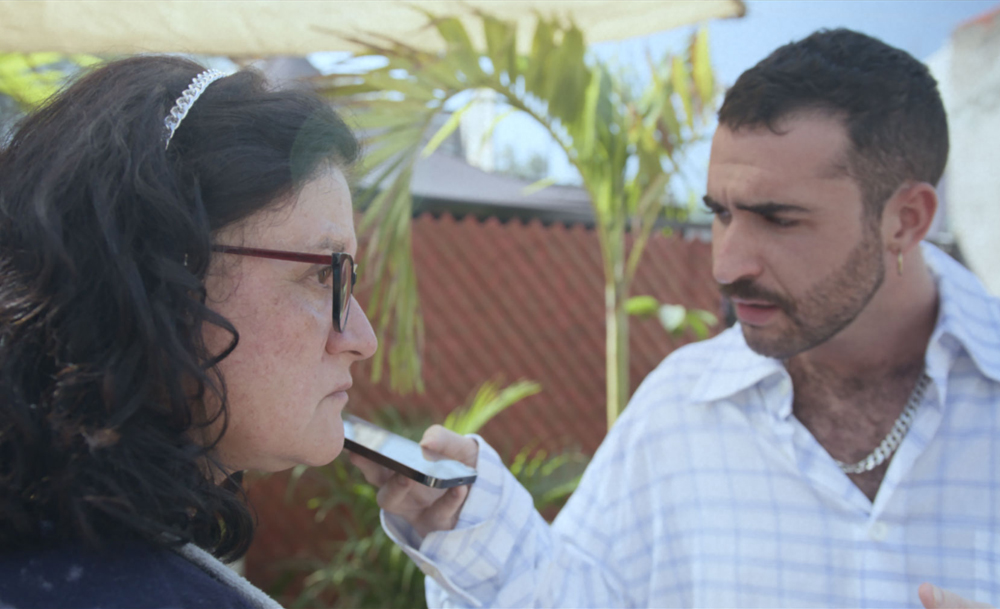
Rotting in the Sun
The interplay between Verónica’s conflicts and Sebastián’s sheds light on one of the paradoxes in Latin American cinema over the past thirty years: the paradox of affluent-class directors portraying the lives of marginalized individuals.


